

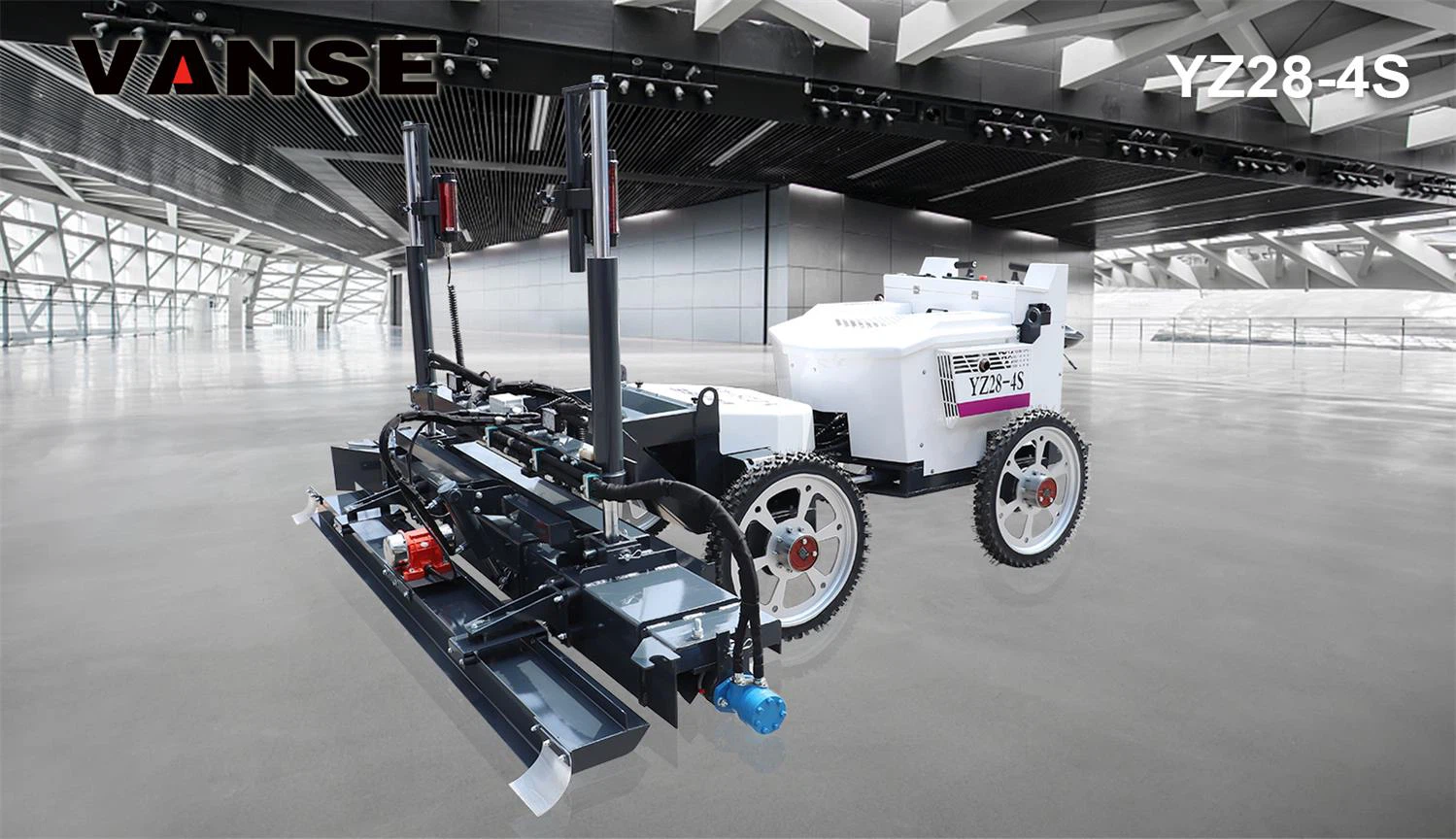
In the construction of concrete pavement, the main significance of laying double-layer steel mesh is to improve the overall strength, durability and crack resistance of the pavement, especially for projects with high requirements for bearing capacity. The following are its specific functions and applicable scenarios:
1. Core role
Enhance tensile strength
Concrete has strong compressive resistance but weak tensile resistance. The double-layer steel mesh significantly improves the tensile resistance of the pavement through the synergistic effect of the upper and lower layers of steel bars, reducing the risk of cracking caused by load or temperature stress.
Disperse load stress
The double-layer steel mesh can evenly disperse the concentrated load to a larger area, reduce local stress concentration, and extend the service life of the pavement.
Control crack expansion
When concrete shrinks or bends, the steel mesh can restrain the development of cracks and prevent cracks from penetrating the entire pavement structure.
Improve fatigue resistance
For pavements that frequently bear dynamic loads (such as heavy vehicle rolling), double-layer steel mesh can enhance the fatigue resistance of the structure and delay aging and damage.
2. Applicable scenarios
Heavy-load traffic sections
Airport runways, port terminals, highways and other pavements that need to bear high loads.
Complex geological conditions
In areas with a high risk of uneven foundation settlement, double-layer steel mesh can reduce structural cracking caused by foundation deformation.
Special environmental requirements
In high temperature or severe cold areas, steel mesh can help resist temperature stress; in humid environments, double-layer arrangement can increase the thickness of the protective layer and improve corrosion resistance.
3. Construction points
Arrangement of steel mesh
Usually, the upper steel bar is located 5~10cm below the top of the road surface, and the lower steel bar is close to the bottom. The middle is fixed by a bracket or a horse stool to ensure the thickness of the protective layer (generally 3~5cm).
Selection of steel bar specifications
The diameter and spacing of the steel bar need to be determined according to the design load calculation. The common specifications are φ8~φ16mm and the spacing is 15~30cm.
Connection and fixation
The steel mesh is connected by binding or welding to ensure integrity; the steel bars can be increased or reinforced in local weak areas.
4. Precautions
Concrete pouring quality
Double-layer steel mesh may affect the fluidity of concrete. The slump needs to be strictly controlled, and vibration compaction should be ensured to avoid voids.
Construction sequence
Lay the bottom steel mesh first, and then lay the upper steel mesh after the concrete is poured (or pour in two times). The specific needs to be adjusted according to the design requirements.
Maintenance and protection
Perform maintenance in time after construction to prevent steel corrosion and concrete shrinkage and cracking.
Through reasonable design and construction, the double-layer steel mesh can significantly improve the comprehensive performance of concrete pavement, especially suitable for projects with high requirements for durability and safety.
Thanks to all the friends who support and trust Shandong Vanse Machinery Technology Co., Ltd.
If you want to know more about Shandong Vanse Machinery Technology Co., Ltd. or have any questions, please feel free to contact us:
• Tel: +86-13639422395
• Email: sales@vanse.cc
• Website: www.vansemac.com