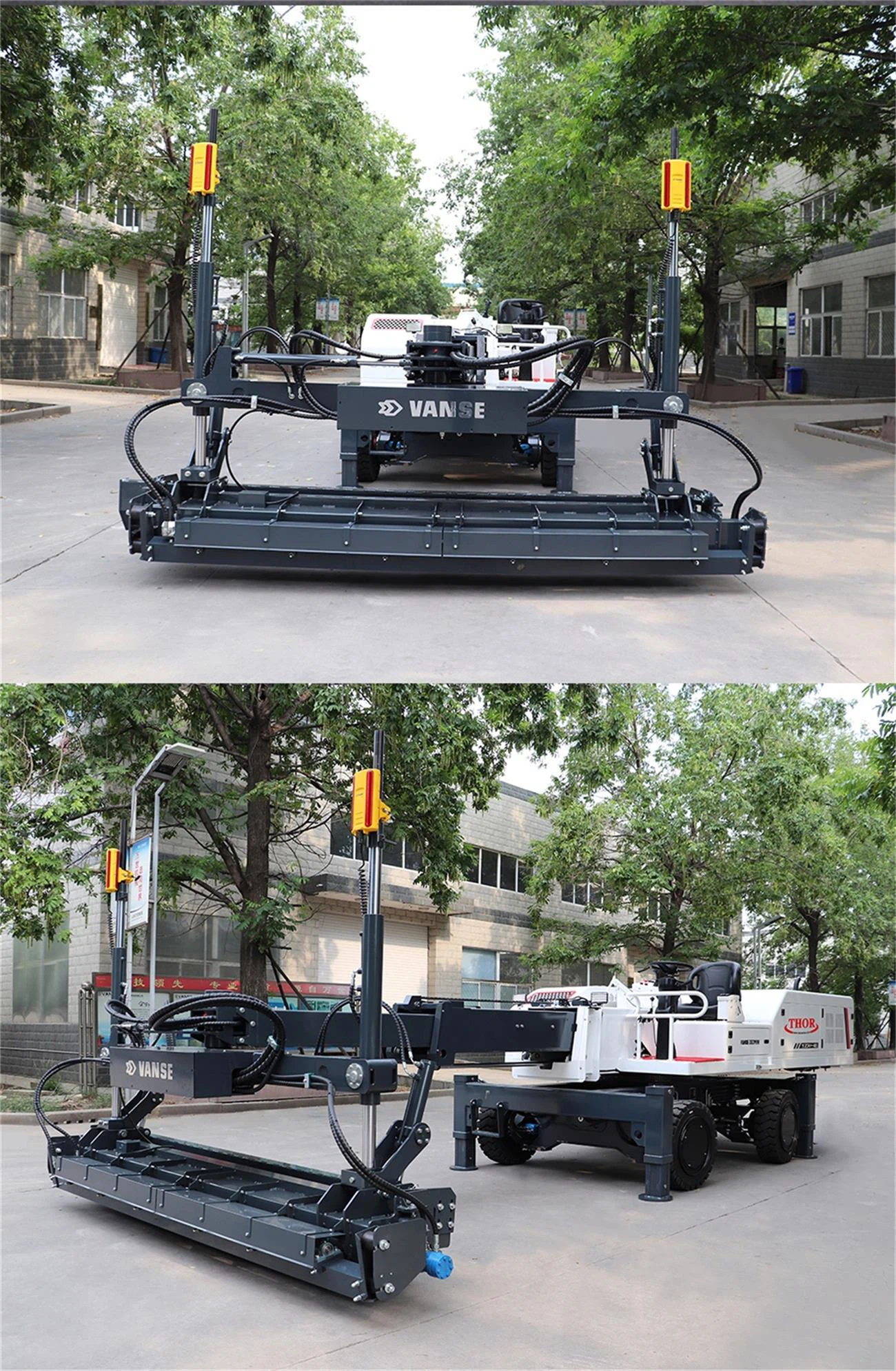
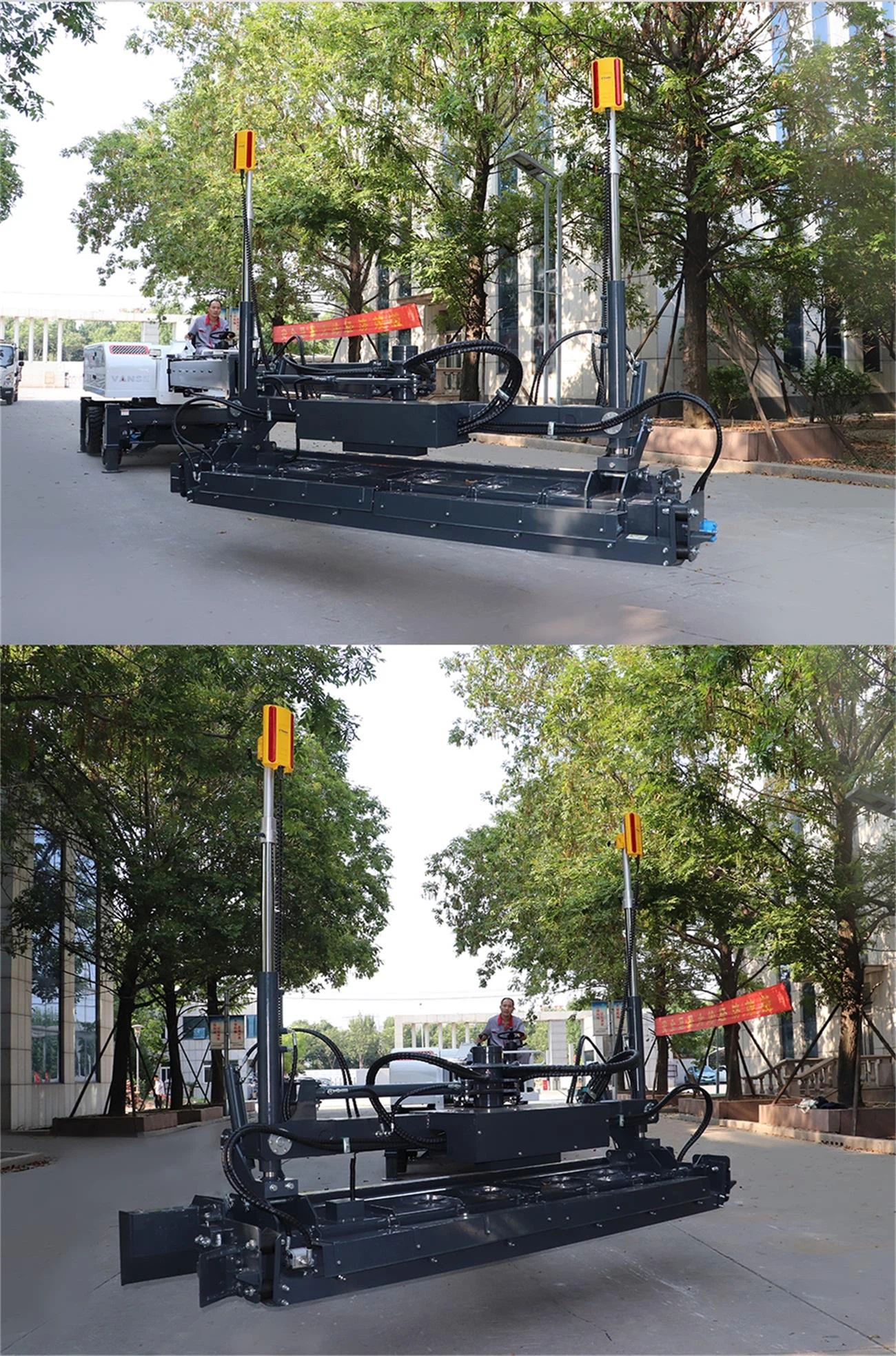
The laser receiver is one of the core equipment in laser leveling construction, and the evaluation of its sensitivity and dynamic range is crucial to ensure construction quality. Sensitivity determines the minimum signal strength that a laser receiver can detect, while dynamic range reflects the laser receiver's ability to work under different signal strengths. This article will elaborate on how to evaluate the sensitivity and dynamic range of the laser receiver, in order to provide a useful reference for improving the quality of laser leveling construction in floor projects.
1. Evaluation of sensitivity
The sensitivity of a laser receiver is usually expressed in terms of the minimum optical power or minimum light intensity that can be detected. Assessing the sensitivity of a laser receiver requires the following steps:
•♦•Choose an appropriate test light source: In order to ensure the accuracy and reliability of the evaluation results, it is necessary to select a stable and adjustable test light source. The wavelength of the test light source should match the design wavelength of the laser receiver. To ensure the validity of the test,
•♦•Set test conditions: During the test process, environmental variables such as temperature, humidity and vibration need to be controlled to reduce test errors. At the same time, the test distance and angle should also be set according to the actual usage of the laser receiver.
•♦•Measurement of optical power or intensity: Use measuring equipment such as an optical power meter or intensity meter to measure the response of the laser receiver under different optical powers or intensity. Recording the minimum optical power or light intensity value that can trigger the response of the laser receiver is the sensitivity of the laser receiver.
It should be noted that when evaluating the sensitivity of the laser receiver, it is also necessary to consider the impact of parameters such as spot diameter and divergence angle on the test results. In addition, since the laser receiver may be interfered by background light, noise and other factors, corresponding measures should be taken during the evaluation process to reduce the impact of interference on the test results.
2. Assessment of dynamic range
The dynamic range of a laser receiver refers to the range between the maximum optical power and the minimum optical power that the base can handle. To evaluate the dynamic range of a laser receiver, you need to take the following steps:
•♦•Determine the maximum optical power threshold: First, you need to determine the maximum optical power that the laser receiver can withstand, which can usually be obtained by consulting the technical specifications of the laser receiver or conducting actual tests. During the actual test process, you can gradually increase the optical power and observe the response of the laser receiver until saturation or damage occurs. Record the optical power value at this time, which is the maximum optical power threshold of the laser receiver.
•♦•Determine the minimum optical power threshold: As mentioned above, the minimum optical power threshold of the laser receiver can be obtained through sensitivity evaluation. That is, the minimum optical power value that can trigger the response of the laser receiver.
•♦•Calculate dynamic range: Calculate the dynamic range of the laser receiver based on the maximum optical power threshold and the minimum optical power threshold. Dynamic range is usually expressed in decibels (dB), and the calculation formula is: dynamic range (dB) = 10*log10 (maximum optical power/minimum optical power).
It should be noted that when evaluating the dynamic range of a laser receiver, other factors such as linearity, noise, etc. should also be considered. Linearity reflects whether the response of the laser receiver under different optical powers is linear and is crucial to ensuring measurement accuracy. Noise may have a negative impact on the performance of the laser receiver and needs to be paid attention to in practical evaluations.
In addition, in order to improve the accuracy and reliability of the evaluation results, it is recommended to use a variety of different testing methods and equipment for evaluation. For example, you can use test light sources of different wavelengths, change the test distance and angle, and other conditions to observe the response of the laser receiver. At the same time, you can also conduct comparative tests with other laser receivers of the same type to better understand the performance characteristics of the laser receiver.
Summarize
The evaluation of the sensitivity and dynamic range of the laser receiver is an important part of ensuring the quality of laser leveling construction for floor projects. The performance characteristics of a laser receiver can be fully evaluated by selecting the appropriate test light source and test conditions, making optical power or intensity measurements, and calculating dynamic range. In the actual evaluation process, attention should also be paid to the impact of other factors such as linearity, noise, etc. on the evaluation results. Through scientific and reasonable evaluation methods and technical means, useful reference and support can be provided to improve the quality of laser leveling construction of floor projects.