Technical Knowledge
How Do The Laser Transmitter And Receiver Of A Concrete Laser leveling Work?

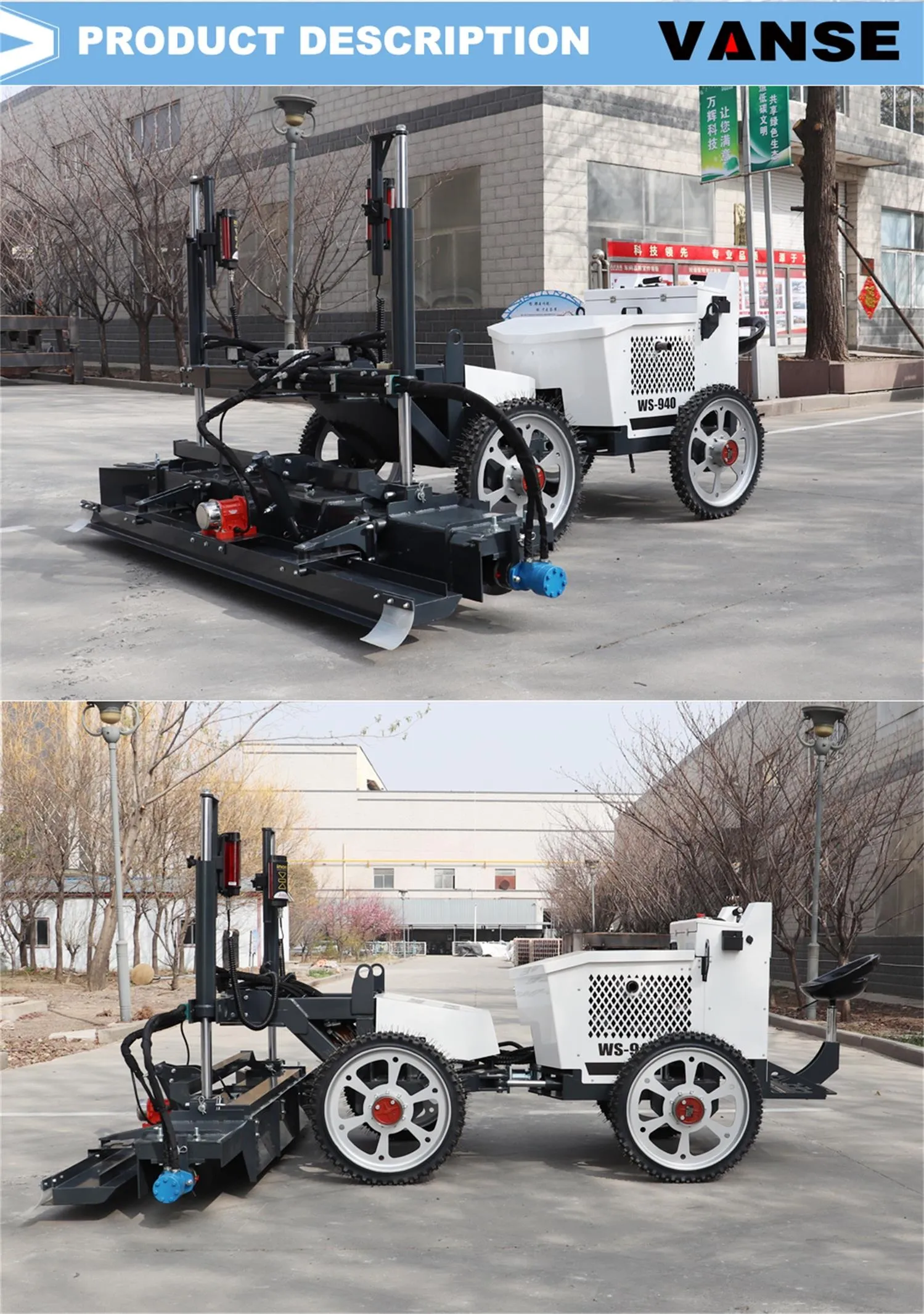
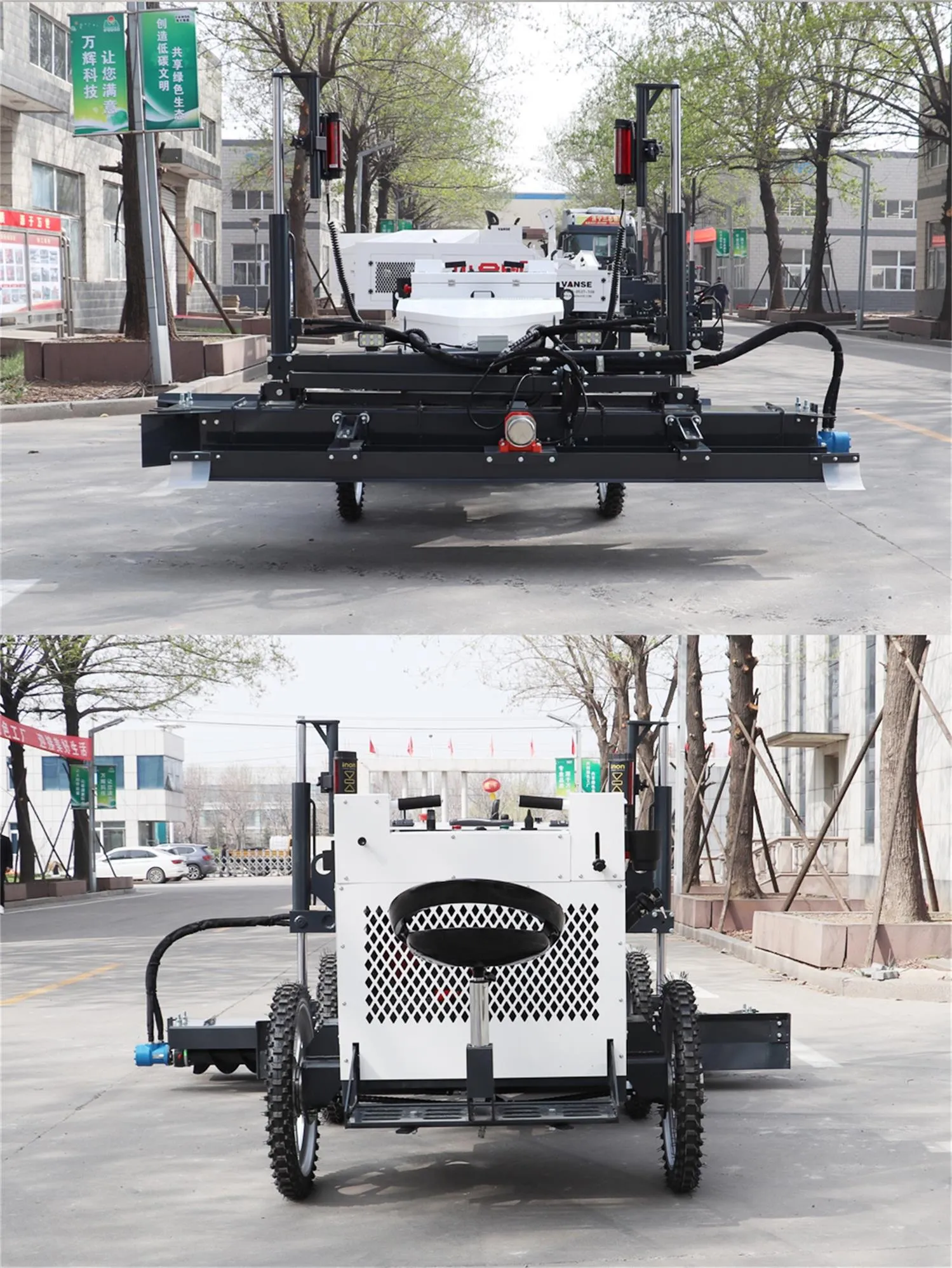
How the laser transmitter and receiver of a concrete laser leveling machine work
Concrete laser leveling machine, as an important equipment in modern building construction, has been widely used in the construction industry with its efficient and accurate ground leveling capabilities. In this machine, the laser transmitter and receiver play a vital role, working together to ensure the flatness and accuracy of the concrete surface to predetermined standards. This article will discuss in detail the working principle of the laser transmitter and receiver of the concrete laser leveling, including its principle, signal transmission and processing, precise positioning and calibration, etc., and also discuss the impact of environmental factors on the equipment and the maintenance and upkeep of the equipment. Key points, and finally a summary and outlook on technology applications and development trends.
1. Principle of laser transmitter
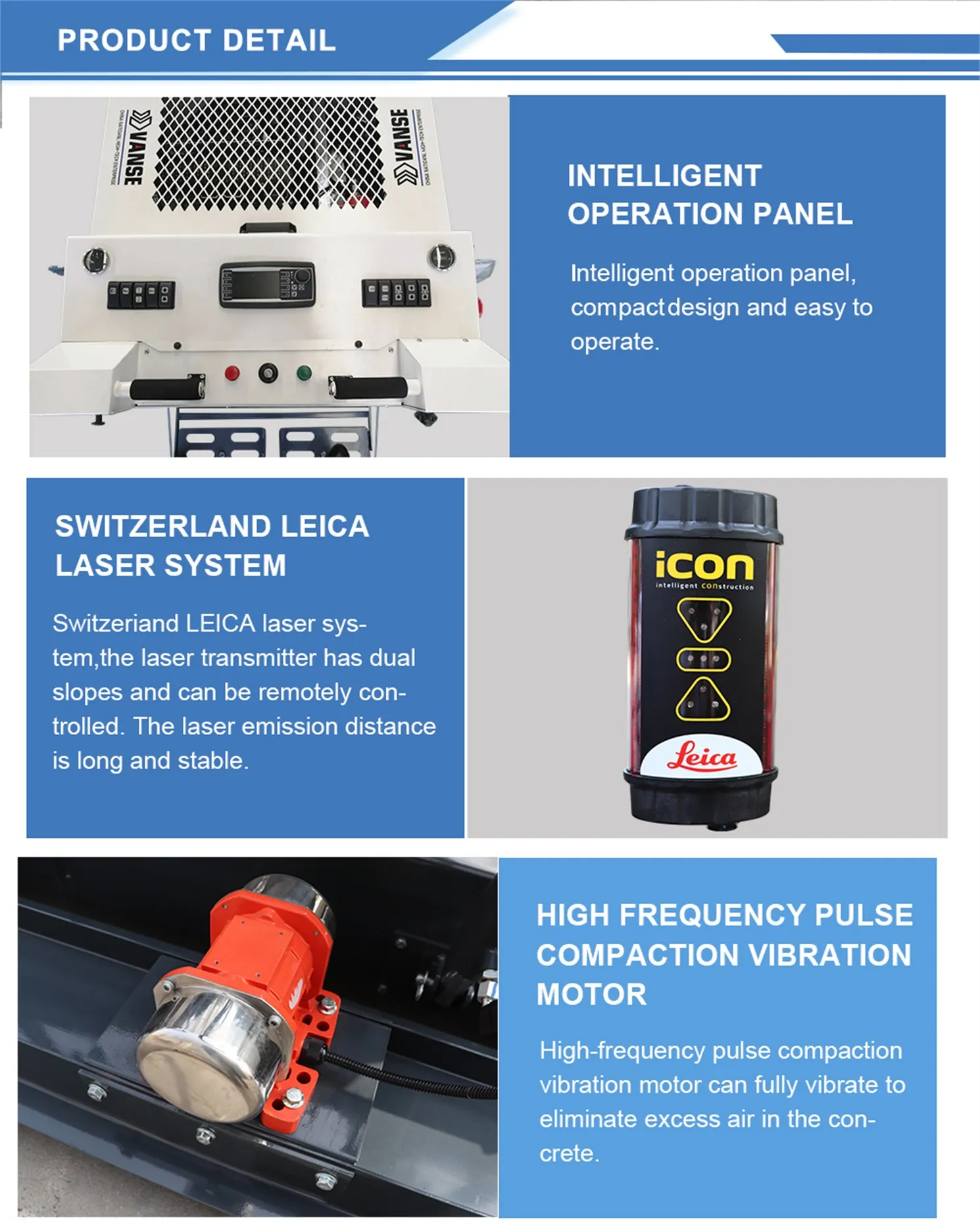
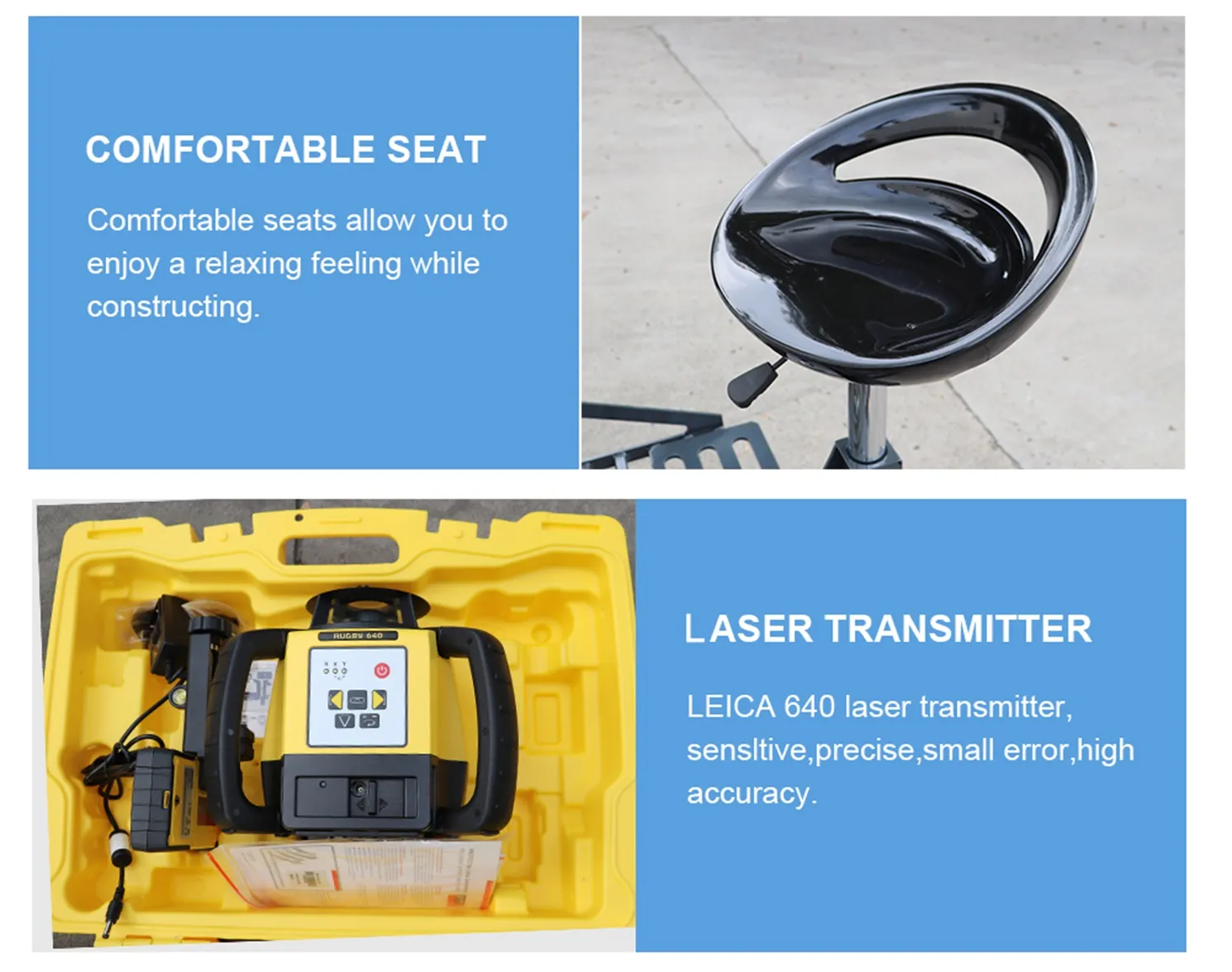
The laser transmitter is one of the core components of the concrete laser leveling. Its main function is to emit a stable, high-precision laser beam. These laser beams provide the leveling with a reliable reference, allowing the machine to precisely control the concrete paving and leveling process.
The working principle of a laser transmitter is based on the physical process of laser generation. With specific optical components and excitation sources, laser transmitters are able to produce a high-quality laser beam. This laser beam has extremely high directivity and monochromaticity, allowing it to maintain stable characteristics during propagation. At the same time, laser transmitters are usually equipped with angle and height adjustment devices so that users can adjust the direction and projection range of the laser beam according to actual needs.
In the application of concrete laser leveling machine, the laser transmitter is placed on a stable platform to ensure the stability of the laser beam. By adjusting the angle and height of the emitter, precise control of the laser beam can be achieved to meet different construction needs.
2. Working principle of the receiver
The laser receiver is another key component of the concrete laser leveling machine. It is responsible for receiving the laser beam emitted by the laser transmitter and converting it into a processable electrical signal. These electrical signals are then used to control the operation of the leveling, ensuring a smooth surface on the concrete.
The working principle of the laser receiver is based on the principle of photoelectric conversion. When the laser beam irradiates the photoelectric element on the receiver, the photoelectric element will generate a photocurrent. The size of this photocurrent is proportional to the intensity of the laser beam, so the photocurrent can be measured. size to determine the intensity of the laser beam. At the same time, the receiver can also focus and filter the laser light through the built-in optical system to improve the receiving sensitivity and anti-interference ability.
During the operation of the concrete laser leveling, the laser receiver needs to be kept within the irradiation range of the laser beam at all times. When the receiver receives the laser beam, it converts the optical signals into electrical signals and transmits these signals to the leveler's control system. The control system calculates the actual height and position information of the concrete surface based on the received signals, and adjusts the working parameters of the leveling machine accordingly, such as the height and vibration frequency of the blade, to achieve accurate leveling effects.
3. Signal transmission and processing
Signal transmission and processing between the laser transmitter and receiver are the key to achieving high-precision operation of the leveler. In concrete laser leveling machines, signal transmission mainly relies on transmission media such as electrical or optical fiber. These media transmit the electrical signals converted by the laser receiver to the leveler's control system.
After the control system receives the signal, it processes and analyzes it. This process usually includes signal amplification, filtering, conversion and calculation steps. Through signal processing, the control system can accurately obtain the height and position information of the concrete surface and compare it with the preset leveling standards. Based on the comparison results, the control system will adjust the working parameters of the leveling machine to achieve the desired leveling effect.
4. Precise positioning and calibration
The precise positioning and calibration of the laser leveler is an important part of ensuring construction quality. The leveler requires initial calibration before work to ensure precise alignment between the laser transmitter and receiver. Initial calibration involves adjusting parameters such as the height and angle of the transmitter, and the position and sensitivity of the receiver.
During the construction process, the leveling machine also needs to be calibrated in real time to deal with possible errors and changes. Real-time calibration is usually achieved by comparing the difference between the received laser signal and a preset value. When the difference exceeds the allowable range, the leveler will automatically adjust the working parameters to eliminate the error.
In addition, the laser leveling machine is equipped with high-precision sensors and control systems to achieve more accurate positioning and calibration. These sensors can monitor the position and status of the leveling machine in real time and provide accurate data support for the control system.
5. Impact of environmental factors on
Environmental factors have a non-negligible impact on the performance of the laser transmitter and receiver of the concrete laser leveling. First, changes in temperature can cause changes in the performance of laser transmitters and receivers. Such as the stability of the laser beam, the sensitivity of the photoelectric components, etc. In a high-temperature environment, the equipment may overheat, affecting its normal operation; while in a low-temperature environment, the performance of some components may be degraded due to low temperatures. In addition, humidity and dust are also important factors affecting the performance of laser transmitters and receivers. A high-humidity environment may cause condensation inside the device, affecting the normal operation of electronic components; and the accumulation of dust may block the receiving surface of the photoelectric component and reduce the receiving sensitivity.
Therefore, when using a concrete laser leveling, it is necessary to fully consider the impact of environmental factors on the performance of the equipment and take appropriate measures for protection and maintenance. For example, in high-temperature environments, heat dissipation measures can be taken, such as installing fans or radiators; in environments with high humidity, the equipment can be dehumidified regularly; at the same time, regular cleaning of the surface and interior of the equipment is also necessary.
6. Maintenance and Maintenance Points
The maintenance and upkeep of the concrete laser leveling machine is the key to ensuring its long-term stable operation. For laser transmitters and receivers, the following are key maintenance and care points:
First, regularly check the optical components of the laser transmitter and receiver to ensure that their surfaces are clean and dust-free. Any dirt or scratches may affect the transmission and reception quality of the laser beam. Special cleaning cloths and detergents should be used for cleaning, and harsh chemical solvents should be avoided.
Secondly, keep the mechanical parts of the transmitter and receiver in good condition, regularly check whether the fasteners are loose, and lubricate the moving parts to ensure their normal operation and extend their service life. At the same time, pay attention to waterproofing and moisture-proofing to avoid using the device in humid or harsh environments to avoid damaging electronic components.
In addition, regular calibration of the equipment is necessary. Since the equipment may be affected by various factors during use, resulting in changes in the signal shift of the laser beam or the receiving sensitivity, regular calibration can ensure the accuracy and stability of the equipment.
Finally, equipment that is not used for a long time should be properly stored. The device should be placed in a dry, ventilated environment away from direct sunlight and high temperatures. At the same time, the equipment should be powered on regularly to ensure the normal operation of its circuits and components.
7. Technology Application and Development
The application of warm concrete laser leveling machines in the construction industry has become more and more widespread, and its characteristics of high precision and high efficiency have been widely recognized. With the continuous development of science and technology, the performance of laser transmitters and receivers are also constantly improving, providing more reliable technical support for the work of the leveling machine.
In the future, with the continuous advancement of laser technology and the improvement of intelligence level, concrete laser leveling machines are expected to achieve higher precision and wider applications. For example, by optimizing the design of the laser transmitter and receiver, the stability and anti-interference ability of the laser beam are improved; by introducing more advanced control systems and sensors, more precise positioning and calibration can be achieved; at the same time, the Internet of Things and Big data technology enables remote monitoring and intelligent maintenance of equipment, improving equipment efficiency and reliability.
In addition, with the continuous improvement of environmental awareness, the application of concrete laser leveling machines in green construction will also receive more attention. By optimizing equipment design and construction technology, energy consumption and waste emissions are reduced to achieve green and environmentally friendly building construction.
8. Summary and Outlook
The laser transmitter and receiver of the concrete laser leveler are key components to achieve high-precision leveling. They provide reliable reference and control signals for the leveling machine by emitting and receiving laser beams. During use, you need to pay attention to the impact of environmental factors on equipment performance, and take appropriate measures for protection and maintenance.
Looking to the future, with the continuous advancement of science and technology and the continuous expansion of application fields, concrete laser levelings are expected to achieve higher precision, wider applications and more environmentally friendly construction methods. At the same time, we also need to continue to pay attention to the development of new technologies and new materials, promote technological innovation and industrial upgrading of concrete laser leveling machines, and make greater contributions to the sustainable development of the construction industry.
In short, the laser transmitter and receiver of the concrete laser leveling are the key links to ensure construction accuracy and efficiency. By in-depth understanding of its working principle and maintenance points, we can better utilize this advanced technology, improve the quality and efficiency of construction, and promote the sustainable development of the construction industry.
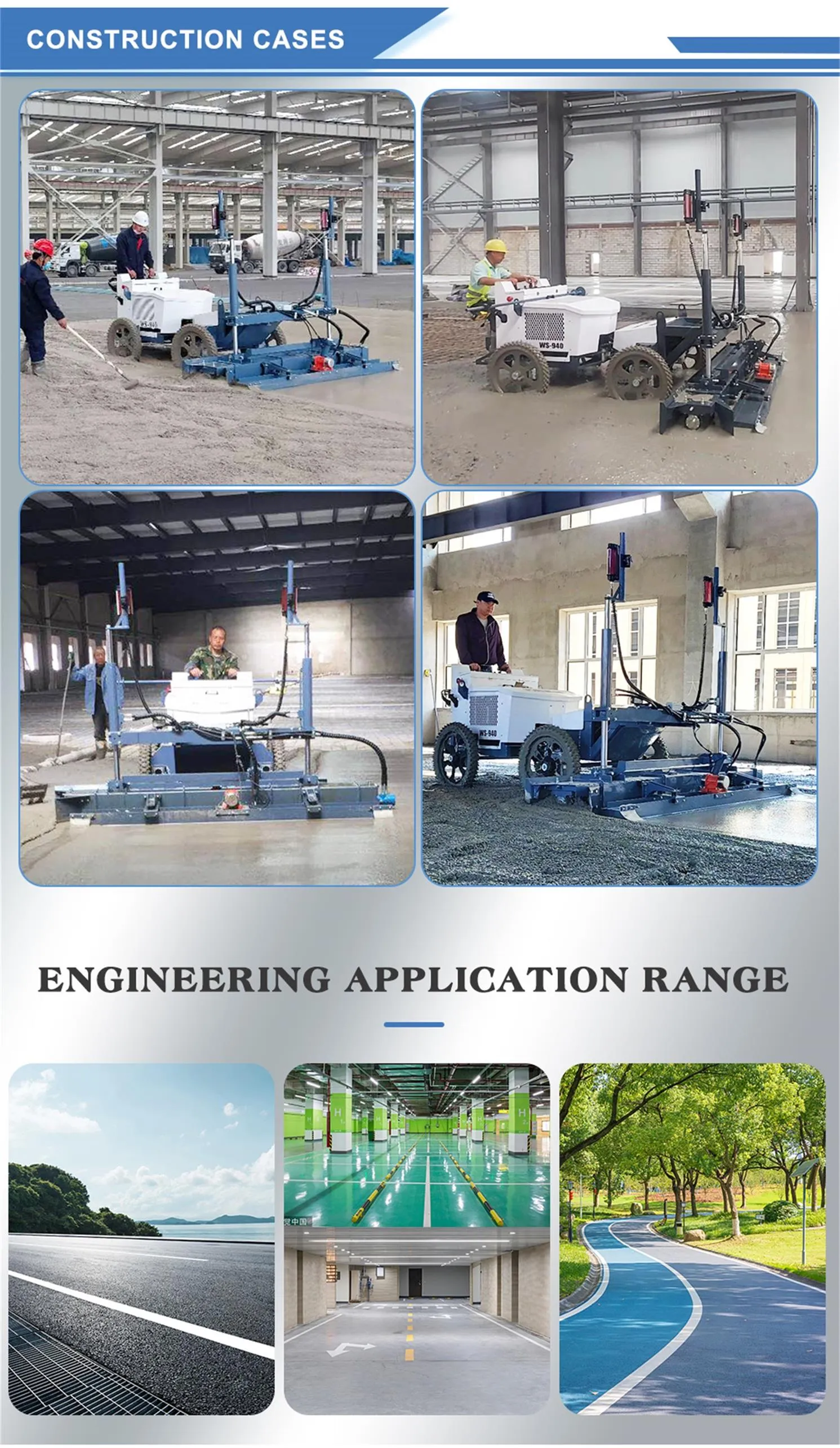
Thanks to All the Friends Who Support and Trust Shandong Vanse Machinery Technology Co., Ltd.
If you want to know more about Shandong Vanse Machinery Technology Co., Ltd. or have any questions, please feel free to contact us:
Our Factory
Shandong Vanse Machinery Technology Co., Ltd.








Share this article

About the Author: Shandong Vanse Machinery Technology Co., Ltd.
Shandong Vanse Machinery Technology Co., Ltd. is a high-tech manufacturer specializing in concrete construction machinery, including laser screeds and related equipment. The company integrates R&D, production, and global sales, with products exported to over 60 countries and widely used in infrastructure projects worldwide.
Previous Post
Next Post
Related Articles
You Might Also Like
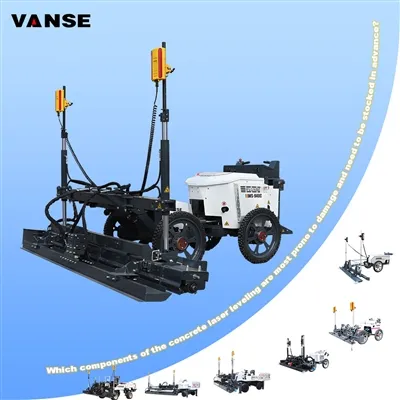
Which components of the concrete laser leveling are most prone to damage and need to be stocked in advance?
As a high-precision and high-strength construction equipment, the wear and damage of the components of the concrete laser leveling machine are inevitable. To minimize downtime and ensure construction progress, it is a very wise move to stock up on key vulnerable components in advance. Based on the structure and working principle of the equipment, the following components are the most prone to damage. It is recommended that you stock up in advance according to the construction intensity and project conditions These are the "legs and feet" of the leveling, which have the highest working intensity and come into direct contact with the concrete, making them the most prone to wear and tear. The reason is that it directly rubs against and flattens the concrete aggregates, making it the component that wears out the fastest. It is usually made of wear-resistant steel plates, but after long-term use, it will inevitably wear out and become thinner, losing its smooth effect. Suggestion: This is a component that must be stocked in stock, and 2-3 sets of spare parts with different degrees of wear and tear should be prepared according to the scale of the project. The reason is that walking on unsolidified concrete makes it easy to be scratched or punctured by sharp aggregates such as stones and steel bar ends. Although most of them are solid tires, the rubber itself can also wear out. It is highly recommended to have a complete set of tire assemblies for the entire vehicle (usually four), especially for construction sites with complex ground environments and exposed steel bars. Reason: The load is heavy when driving the entire machine to move. Although it is not prone to damage itself, the internal drive gears, bearings, seals and other components are vulnerable points. Especially when the sealing parts age and cause oil leakage, it will accelerate internal wear. Suggestion: It is advisable to prepare a set of reducer assembly as a core backup, or at least a set of drive gear and seal maintenance kits for quick repair. This is the "blood circulation system" of the leveling machine. Faults often lead to the paralysis of the entire machine. The reason is that there are a large number of seals at all parts of the hydraulic system (cylinders, motors, valve block interfaces). Due to long-term operation under high pressure and high temperature, rubber will age and wear out, leading to oil leakage, which is the most common hydraulic failure. Suggestion: Purchase a set of maintenance kits for the entire machine's sealing parts. It is not expensive, but it can quickly solve the problem when oil leakage occurs, making it the spare part with the best cost performance. The reason is that the cleanliness of the hydraulic oil is directly related to the lifespan of the entire hydraulic system. Regular replacement of the filter element is a necessary maintenance item. If the filter element is clogged or fails, it will cause severe wear of core components such as hydraulic pumps and motors. Suggestion: According to the equipment maintenance manual, always keep at least one set (such as return oil filter elements, suction oil filter elements, etc.) on hand. The reason is that the drive shaft connecting the engine (or hydraulic motor) and the hydraulic pump operates under high torque. If it is poorly lubricated or subjected to shock, the universal joint bearing is prone to damage. Suggestion: Prepare a complete drive shaft assembly or at least a universal joint maintenance kit. This is the "eyes and brain" of the leveling, where the precision lies and requires careful protection. Reason: Although it is an electronic component itself, the construction site environment is harsh and it may be damaged due to collision or splashing concrete. It is the key to ensuring flatness.Suggestion: This is a core electronic component that is strongly recommended as a backup. Once damaged, the entire machine will not be able to level itself automatically. Reason: As a precision optical instrument, it is vulnerable to dropping, shock and dust. Although it is more durable than the receiver, once a problem occurs, it will affect the entire working area.Suggestion: If the project is of great significance and the schedule is tight, it is advisable to consider having one as a backup. For construction sites where multiple leveling machines work in coordination, having a spare transmitter is a standard operation. The reason is that there are a large number of seals at all parts of the hydraulic system (cylinders, motors, valve block interfaces). Due to long-term operation under high pressure and high temperature, rubber will age and wear out, leading to oil leakage, which is the most common hydraulic failure. Suggestion: Purchase a set of maintenance kits for the entire machine's sealing parts. It is not expensive, but it can quickly solve the problem when oil leakage occurs, making it the spare part with the best cost performance. The reason is that the cleanliness of the hydraulic oil is directly related to the lifespan of the entire hydraulic system. Regular replacement of the filter element is a necessary maintenance item. If the filter element is clogged or fails, it will cause severe wear of core components such as hydraulic pumps and motors. Suggestion: According to the equipment maintenance manual, always keep at least one set (such as return oil filter elements, suction oil filter elements, etc.) on hand. The reason is that the drive shaft connecting the engine (or hydraulic motor) and the hydraulic pump operates under high torque. If it is poorly lubricated or subjected to shock, the universal joint bearing is prone to damage. Suggestion: Prepare a complete drive shaft assembly or at least a universal joint maintenance kit. Priority Component name Stock preparation suggestions ★★★★★ (Highest) Scraper bottom plate It is necessary to stock up. Prepare 2 to 3 sets according to the project volume Hydraulic seal kit It offers the best cost performance and must be stocked Walking tire It is strongly recommended to prepare a complete set ★★★★ (High) Laser receiver It is recommended to have one core electronic component Hydraulic filter element Essential maintenance items should be stocked according to the maintenance cycle Reducer gears/seals It is determined based on the historical failure conditions of the equipment ★★★ (Middle) Universal joint for drive shaft Maintenance kits or assemblies are available Vibrating rod/bearing It is determined by the frequency of equipment usage Laser emitter Large or key projects are recommended as backups ★★ (Low) Battery It depends on the condition of the old battery Here's a tip for you finally: When purchasing equipment, one should ask the manufacturer or supplier for a recommended list of vulnerable parts and understand the expected service life of these components. At the same time, establish maintenance files for your own equipment, recording the replacement times of each component. Only in this way can you carry out predictive stocking more scientifically, ensuring that your equipment is always in the best condition and creating the greatest value for the project. Note: The parameters provided in this document are for reference only and are not mandatory. Due to differences in technical characteristics between different brands and models of laser levelers, please consult the manufacturer for a suitable solution before actual operation. This reference document assumes no responsibility for any issues arising from failure to follow the manufacturer's instructions.Concrete laser leveling machine price and cost performance
Considerations such as the price and cost-effectiveness of concrete laser leveling machines and return on investment are as follows: 1. Price The price of concrete laser leveling machines varies based on factors such as different models, configurations, and brands. Generally speaking, the prices of equipment of imported brands are relatively high, while the prices of equipment of domestic brands are relatively low. When purchasing a concrete laser leveling, you need to make a choice based on your actual needs and economic status. 2. Cost-effectiveness Concrete laser leveling machines are relatively cost-effective. Although the price of this machine is relatively high, due to its use of advanced laser measurement and control technology, it can achieve high-precision, high-quality concrete leveling, improving construction efficiency and quality. At the same time, the machine has a long service life, which can reduce the cost of frequent equipment replacement. In addition, the concrete laser leveling machine also has the characteristics of automation and intelligence, which can reduce labor costs and lost work rates, further improving the cost performance. 3. Return on investment Concrete laser levelings have a high return on investment. Because the machine can achieve high-precision, high-quality concrete leveling, construction efficiency and quality are improved, and the cost of repair and rework can be reduced, thereby reducing the total project cost. At the same time, the concrete laser leveling can shorten the construction period and increase the construction speed, thus increasing the project revenue. In addition, the concrete laser leveling machine also has the characteristics of environmental protection and energy saving, which is in line with the current social development trend and can bring good social benefits and image improvement to construction companies. 4. Other considerations In addition to the above aspects, the following factors also need to be considered: 1) Equipment maintenance and upkeep costs: The maintenance and upkeep costs of concrete laser levelings are relatively high, and equipment needs to be inspected and maintained regularly to ensure the normal operation and service life of the equipment. 2) Technology upgrading costs: The technology of concrete laser levelings is upgrading rapidly, and it is necessary to continuously follow the development trends of new technologies and new products in order to maintain competitive advantages and reduce costs. 3) Operator training cost: The operation of the concrete laser leveling requi res professional technical personnel for training and guidance, and a certain amount of training fees and time costs need to be paid. 4) Regional applicability and climate adaptability: Concrete laser leveling machines need to be constructed in different regions and climate conditions, and the equipment needs to have good regional applicability and climate adaptability. To sum up, the price of the concrete laser leveling machine is relatively high, but because it uses advanced laser measurement and control technology, it can achieve high-precision, high-quality concrete leveling, improve construction efficiency and quality, and has a higher cost performance and return on investment. When purchasing and using this equipment, multiple factors need to be considered to reduce costs and improve performance.Can the elevation control accuracy of the concrete laser leveling machine meet the construction requirements of pharmaceutical clean workshops?
Selecting high-precision concrete laser leveling machines and standardizing construction not only meets the elevation control accuracy requirements but also is the preferred key equipment for achieving the high-standard floor requirements of pharmaceutical clean workshops. Below, I will provide you with a detailed analysis from three aspects: standards, principles, and practical operations The core requirements for the floor in a pharmaceutical clean workshop are: extremely high flatness, levelness, integrity and dust-free property. Flatness: Generally, the straightedge inspection standard of "±3mm/2m" or "±2mm/2m" is adopted, that is, a 2-meter straightedge is used for inspection, and the height difference at any position should not exceed 3mm or 2mm. Some high-standard areas (such as the core process zone) even require ±1.5mm/2m. Levelness (elevation control) : The absolute elevation error of the entire ground needs to be strictly controlled, usually within ±5mm/ tens of meters, to ensure that water in the ground area can flow smoothly to the floor drain and there will be no local water accumulation. Integrity: The ground must be cast as a seamless whole to prevent bacteria from breeding in the gaps. Wear-resistant and resistant to chemical corrosion: Meets the requirements of cleaning and disinfection. The technical principle of the laser leveling machine determines that it is inherently suitable for such high-precision requirements. Laser reference: A rotating laser emitter is set up outside the construction area, which will establish an absolutely horizontal laser reference surface within the construction area, with an accuracy of ±1.0mm/100m or even higher (such as ±0.5mm/100m). This reference plane will not deform. Real-time monitoring and automatic adjustment: The laser receiver on the leveler captures the laser signal in real time and transmits the information to the on-board computer control system. Hydraulic system execution: The control system drives the hydraulic cylinders at the four corners of the flattening head several times per second to automatically adjust the height of the scraper, ensuring that it always precisely remains at the elevation set on the laser reference surface. Traditional craftsmanship (using a ruler to scrape the bar) : It relies on the manual skills and physical strength of workers, and is prone to problems such as fatigue, visual errors, and the accuracy of formwork support, resulting in large cumulative errors and making it difficult to stably reach the standard of ±3mm/2m. Laser leveling machine: Eliminates human factors and formwork errors. The machine is completely controlled by an invisible laser beam, featuring stable and reliable precision, and is formed as a whole in one go, with extremely high efficiency. Although the equipment itself is highly precise, to ensure that the final outcome meets the requirements of a pharmaceutical clean workshop, the following points still need to be noted: For large clean areas in pharmaceutical factories (such as core production areas and packaging areas), it is recommended to use large ride-on laser leveling machines. Its self-weight is sufficient to effectively press concrete, forming a highly dense surface with the best flatness. For areas such as the periphery of the equipment, walls, and column bases that large equipment cannot cover, it is necessary to use a handheld laser leveling machine in conjunction for auxiliary operations to ensure consistent accuracy throughout the entire area. The foundation and template accuracy are the prerequisites: laser leveling machines cannot correct significant undulations of the foundation (such as steel mesh sheets, crushed stone bedding layers). The flatness of the foundation must be done in advance; otherwise, concrete materials will be wasted. The top elevation of the formwork must also be precisely calibrated with a level, as the leveling machine sometimes takes the formwork as the initial reference. The mix proportion and slump of concrete must be uniform and stable. The slump is recommended to be controlled at around 140mm±20mm. If it is too high, it will easily lead to uneven settlement; if it is too low, it will be difficult to level. Operators must be trained and familiar with the equipment principles and operation procedures. This includes the installation and calibration of laser emitters, as well as the planning of the traveling path for the leveling machine, etc. The ground that has been precisely leveled must be immediately subjected to seamless and comprehensive maintenance (such as spraying maintenance agents or covering with plastic film) to prevent cracking due to uneven water loss, which could damage the flatness. The control accuracy of elevation and flatness of the concrete laser leveling machine is not only a core technical means to "meet", but also to "guarantee" the construction requirements of pharmaceutical clean workshops. It achieves construction accuracy and consistency far exceeding manual levels through non-contact laser measurement and automated hydraulic control. To ensure everything goes smoothly, we suggest that you: Choose a reputable equipment supplier (for lease or purchase). Hire a concrete team with experience in the construction of pharmaceutical clean workshops. Before construction, conduct a detailed technical briefing to clearly define the requirements for flatness and elevation. During the construction process, a 2-meter straightedge and a level are used for simultaneous inspection. The adoption of laser leveling technology is a mature, reliable and efficient choice for building high-standard floors in pharmaceutical clean workshops. Note: The parameters provided in this document are for reference only and are not mandatory. Due to differences in technical characteristics between different brands and models of laser levelers, please consult the manufacturer for a suitable solution before actual operation. This reference document assumes no responsibility for any issues arising from failure to follow the manufacturer's instructions.